Montenegro is entering its urban century. A country historically defined by rugged mountains, scattered rural settlements, and coastal towns shaped by tourism is now facing a future in which cities — their shape, quality of life, infrastructure, environmental resilience, and cultural identity — will determine the nation’s long-term prosperity. By 2035, Podgorica, Kotor, Budva, Bar, and a constellation of smaller towns will undergo transformations driven by EU integration, climate adaptation, demographic change, digitalization, and the evolving Adriatic economy. The question is not whether Montenegro’s cities will transform — it is whether they will evolve intelligently, sustainably, and in a way that strengthens national cohesion.
Urban development in Montenegro has often been reactive rather than strategic. Over the last three decades, tourism demand, informal construction, and rapid population shifts outpaced urban planning capacity. Podgorica expanded outward into low-density suburbs. Budva experienced tourism-driven construction pressures that overwhelmed its infrastructure. Bar grew without a cohesive architectural or mobility strategy. Kotor struggled to balance heritage preservation with mass tourism. These trends reflect the broader challenge facing Montenegro: a mismatch between development pressures and institutional preparedness.

But the next decade offers a rare opportunity for course correction. EU accession will anchor Montenegro within a European planning framework emphasizing sustainability, resilience, transparency, and long-term planning. Digital tools, climate data, and green-urban standards are becoming accessible. Demographic pressures will force cities to compete for talent and investment. Climate change will demand resilient infrastructure. And Montenegro’s rising profile as a European micro-state economy will require cities that reflect stability, competence, and quality of life.
Podgorica, Montenegro’s capital, will play the most decisive role. As the administrative, economic, and educational hub of the country, Podgorica must evolve from a functional but underdeveloped city into a regional center of innovation, culture, and green urbanism. Its current strengths — compact geography, relatively uncongested traffic, a growing service sector, and good digital foundations — offer room for rapid modernization. But Podgorica faces several challenges: fragmented urban form, insufficient green space in some districts, uncoordinated construction, and a lack of coherent architectural identity.

The Podgorica of 2035 must embrace density over sprawl, mixed-use neighborhoods over isolated suburbs, and public transport over private vehicles. New urban corridors must integrate green mobility, walking paths, cycling lanes, and digital infrastructure. The Morača River must become the centerpiece of a more ambitious urban landscape — a public-space spine supporting recreation, ecology, and social life. Educational and research institutions should form an innovation district that attracts talent, startups, and investors. Podgorica must also evolve culturally, with more galleries, theaters, festivals, and public arts programming. A capital city sets the emotional tone for a nation; Podgorica must project confidence, openness, and modernity.
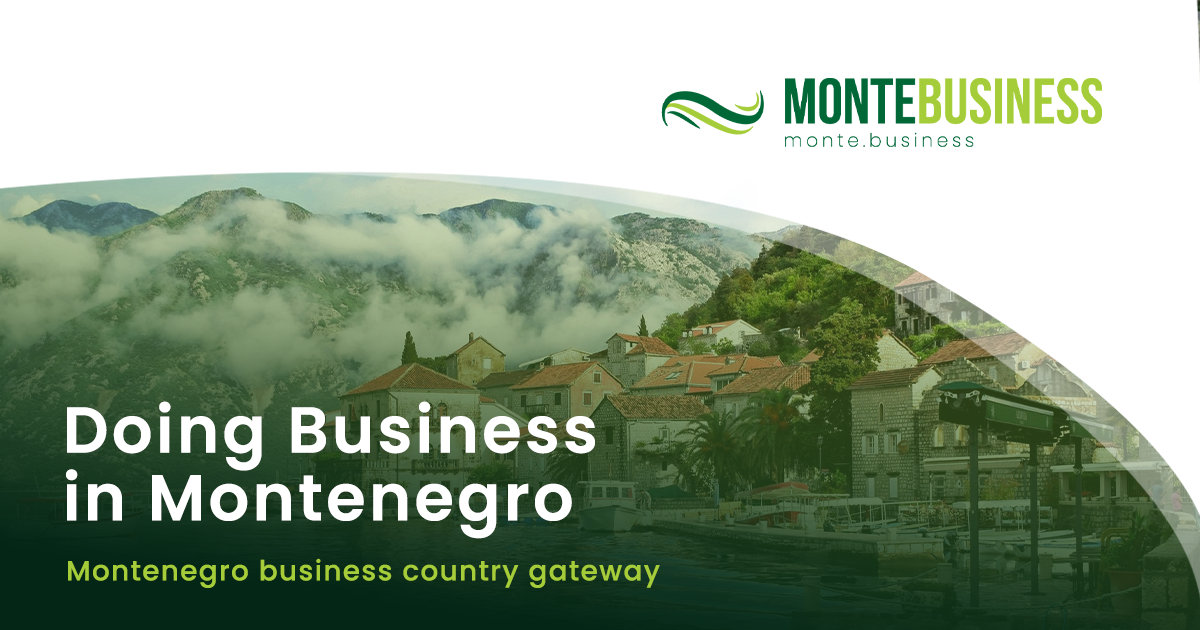
Kotor presents a different challenge — one defined not by expansion but by protection. The UNESCO-protected Bay of Kotor is Montenegro’s greatest cultural treasure. It is a fragile ecosystem, a historic urban landscape, and a symbol of Montenegrin identity. But it is also under pressure from tourism, real-estate demand, climate change, and cruise-ship traffic. The Kotor of 2035 must be a model of heritage preservation, sustainable tourism, and environmental stewardship.
Mass cruise tourism is no longer compatible with Kotor’s scale or ecological sensitivity. The future lies in controlled, high-value, low-impact tourism carefully managed through digital systems, capacity limits, and strict environmental standards. Traffic congestion must be addressed through park-and-ride systems, regulated access, electric mobility, and pedestrian-first planning. Heritage-preservation frameworks must improve to prevent erosion of the city’s architectural integrity. Flood protection and coastal resilience strategies will be essential as sea levels rise and storms intensify. The Bay of Kotor can become a global model of UNESCO-compatible urban living — but only if Montenegro embraces long-term stewardship over short-term gains.
Budva, Montenegro’s tourism engine, faces the most complex transformation. Few Montenegrin cities have undergone such rapid redevelopment in such a short period. Budva’s skyline, real-estate market, and seasonal influx of visitors created economic opportunity but also significant strain on infrastructure, public space, and environmental capacity. By 2035, Budva must transition from a high-density, high-pressure tourism magnet into a more balanced urban environment with diversified economic activity and improved liveability.
This requires reimagining Budva’s waterfront, reducing car dependency, upgrading wastewater systems, modernizing the promenade, and regulating construction to avoid over-urbanization of the coastline. Tourism must shift toward year-round cultural, wellness, and gastronomic experiences supported by improved green areas, pedestrian zones, public transport, and sustainable mobility networks. Budva’s inland areas offer opportunities for low-density residential development, sports infrastructure, and entrepreneurial zones. The city must approach tourism not as an extractive seasonal industry but as a cultural and environmental partnership with the landscape that sustains it.
Bar is the city most directly tied to Montenegro’s future economic strategy. As the country’s main port and logistical gateway, Bar must reinvent itself through modernization of maritime infrastructure and transformation of its urban form. The Bar of 2035 must integrate port development with urban development — a delicate balance requiring coordination among ministries, local authorities, and international partners.
The port area offers opportunities for maritime services, logistics centers, industrial zones, innovation hubs, and green-energy facilities. But Bar must ensure that industrial growth does not undermine coastal quality, tourism potential, or residential livability. Modern zoning, green buffers, smart-city technology, and resilient infrastructure are essential. Bar can become a modern Adriatic working city — dynamic, productive, and sustainable — but only through disciplined urban strategy. Climate adaptation will shape Bar’s trajectory, particularly regarding coastal erosion, storm surge mitigation, and heat-resilient public spaces.
Smaller coastal and inland towns — Tivat, Herceg Novi, Ulcinj, Cetinje, Nikšić, Berane, Kolašin — also play roles in Montenegro’s urban century. Each has distinct potential. Tivat is becoming a center for marina-driven urbanism and lifestyle-economy development. Herceg Novi can expand into wellness, culture, and creative industries. Ulcinj can fuse Mediterranean, Eastern, and African influences into a unique cultural and tourism identity. Cetinje, despite its struggles, can revive its role as Montenegro’s historical and artistic center. Nikšić could emerge as a green-industry and academic hub. Mountain towns can lead in winter tourism and climate-smart urban planning.
Across all cities, climate resilience is the defining challenge. Montenegro will face hotter summers, heavier rainfall, coastal flooding, wildfire risks, and water-supply pressures. Urban planning must integrate climate data into zoning, building standards, public infrastructure, transportation networks, and green-space allocation. The cities that adapt earliest will be the most prosperous. Those that do not will face economic decline, demographic outflow, and environmental degradation.
Digital transformation is another pillar of Montenegro’s urban century. Smart-city technologies — sensors, digital permitting, open-data platforms, real-time mobility systems, automated waste management, and AI-supported urban governance — can make cities more efficient, transparent, and people-oriented. Digital infrastructure is essential not only for administration but for attracting remote workers, creative industries, and tech companies. Cities must compete not only with each other but with global alternatives; digital readiness will determine who wins.
Housing policy will shape social stability. Real estate prices in coastal cities risk pushing local residents out, feeding inequality and demographic decline. Montenegro must develop affordable housing frameworks, regulate speculative construction, and promote mixed-income neighborhoods. Urban prosperity must be shared; otherwise, cities become exclusive zones for temporary visitors rather than living communities.
Mobility must shift from car-dominated to multimodal. Montenegro’s cities are compact enough to support walking, cycling, electric mobility, and public transport, but infrastructure must be redesigned to encourage these modes. Podgorica, Bar, and Budva in particular must embrace transit-oriented development to reduce congestion, improve air quality, and enhance urban experience.
Cultural identity must also be at the heart of urban transformation. Montenegrin cities must cultivate festivals, museums, public art, creative districts, and architectural preservation that strengthen civic pride and create emotional attachment. The most successful cities are not only functional — they are inspiring. Montenegro must rediscover the cultural life of its cities and elevate it to European standards.
Governance will determine whether the urban century succeeds or fails. Municipal administrations must become more professional, transparent, and accountable. Urban planning must be based on evidence, not patronage. Corruption must be eliminated from zoning, permits, and construction oversight. City leadership must communicate a clear vision for growth, backed by stable institutions and long-term planning frameworks.
By 2035, Montenegro’s urban landscape will be shaped by choices made now — choices about sustainability, density, mobility, culture, digitalization, and environmental protection. Urban transformation is not merely an economic necessity; it is a strategic imperative. Cities are where the country’s future workforce will live, where innovation will occur, where culture will flourish, and where Montenegro will present itself to the world.
If Montenegro’s cities evolve intelligently, they can become some of the most attractive, livable, and dynamic urban centers in the Adriatic. If not, the country will face rising inequality, climate vulnerability, and missed opportunities. The urban century is coming; Montenegro must meet it with ambition and discipline.